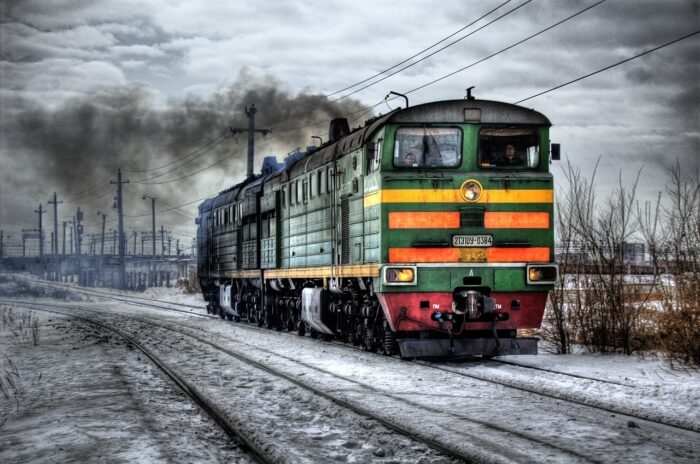
France, with its rich cultural and historical heritage, is also a country that stands out for its highly developed transport infrastructure. Among these infrastructures, the train stands out as the main mode of transport, not only for daily commutes but also for long-distance travel. This preference for rail translates into remarkable efficiency, increased accessibility, and a reduced environmental impact. Let us explore the reasons why the train is at the heart of the French transport system.
A Cutting-Edge Rail Infrastructure
The scale and modernity of the rail infrastructure in France are key elements that explain why the train is a preferred choice. The French rail network is one of the most extensive and efficient in the world.
- The TGV Network: The TGV (Train à Grande Vitesse) has revolutionized transport in France since its launch. With speeds reaching up to 320 km/h, it significantly reduces travel time between major cities, making journeys faster and more convenient.
- Intercity Lines: These lines connect medium-sized cities and rural areas, providing a crucial service for residents not served by the TGV.
- Suburban Trains: In Île-de-France, the suburban train network is essential for the daily lives of millions of workers commuting to the capital each day. The RER, for example, is a model of efficiency and reliability.
Accessibility and Comfort
Accessibility and comfort play a fundamental role in the choice of train as the main mode of transport in France. Train stations are ideally located, and the services offered on board are often of high quality.
French Stations are generally located in city centers, making it easy to access major attractions and business hubs. This proximity allows travelers to save time and avoid urban traffic jams. Additionally, stations are well-equipped with amenities such as restaurants, shops, and car rental services.
Comfort on board French trains is also a determining factor. Seats are spacious and often reclining, the carriages are clean and well-maintained, and additional services like Wi-Fi and power outlets are available on most trains. This combination of factors makes the train a comfortable and enjoyable mode of transport.
An Ecological Choice
In light of growing environmental challenges, choosing the train appears to be an ecological alternative to other modes of transport. The rail sector is distinguished by its low environmental impact.
- Reduction of CO2 Emissions: Unlike cars and planes, trains generate much lower carbon dioxide emissions per passenger-kilometer. This makes it a more environmentally friendly choice.
- Energy Efficiency: Modern trains are often powered by renewable energy sources, such as green electricity. This energy efficiency helps reduce the overall carbon footprint of the transport sector.
- Land Use Planning: The development of rail lines helps limit urban sprawl and the consumption of agricultural land, thus preserving landscapes and natural ecosystems.
A Well-Connected Network
France benefits from a well-connected rail network, not only at the national level but also internationally. This makes the train particularly attractive for travelers and businesses.
French lines are integrated into larger networks, allowing for direct connections to neighboring countries. For example, the international transport network Belgium facilitates trade and travel between the two countries. Moreover, trains like the Eurostar and Thalys connect Paris to London and Brussels in just a few hours.
Finally, connections with urban and regional transport networks ensure service continuity, allowing passengers to easily switch from one mode of transport to another without losing time.