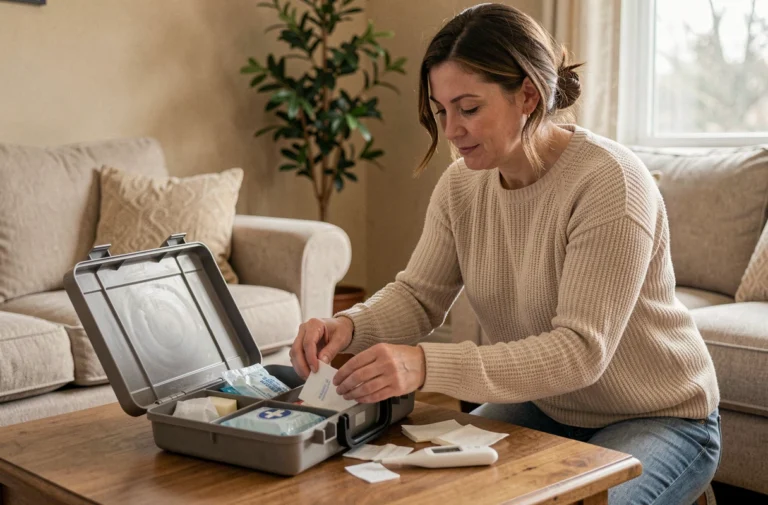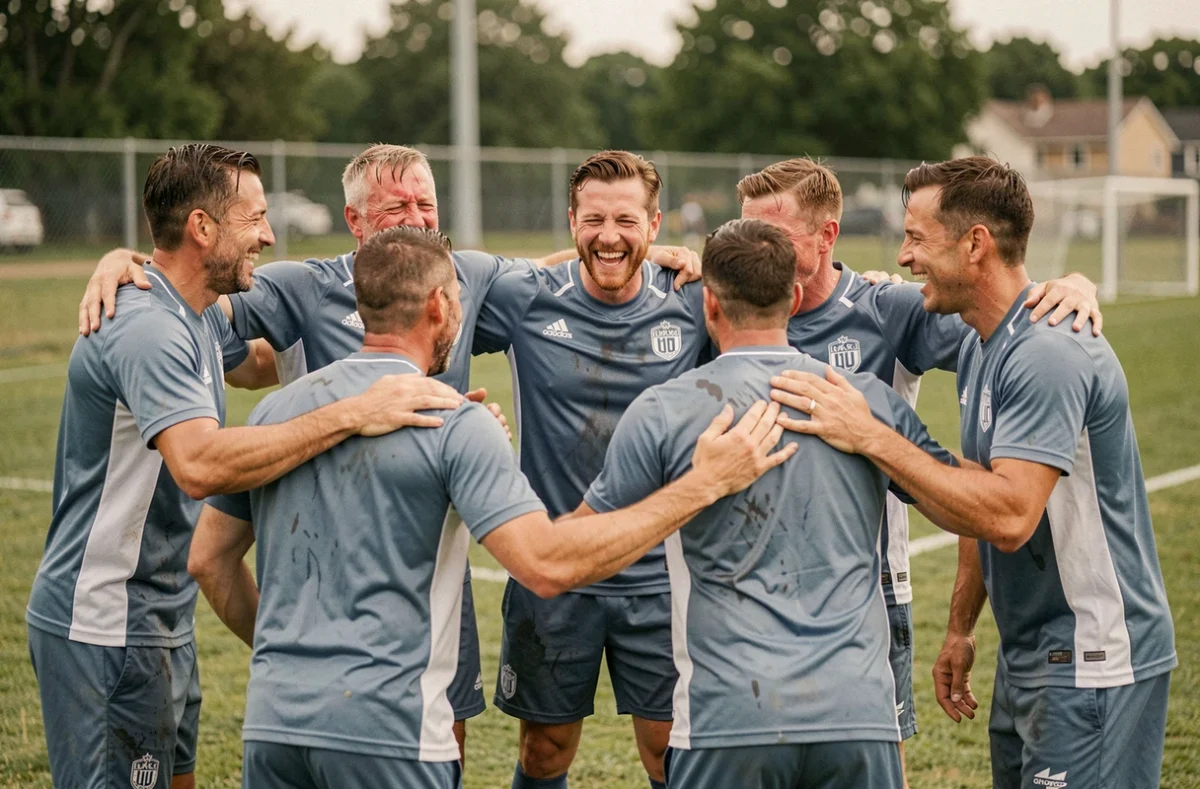
Solidarity sports refer to sports practices whose main objective is not performance, but the support of vulnerable groups towards better integration. In France, this area of action is gradually being structured around the concept of socio-sport, which combines physical activity and social support.
The Ministry of Sports launched a call for projects in September 2026 titled “Socio-sport: a lever for inclusion for young people,” targeting those under 25 facing school dropout, precariousness, child protection issues, or justice involvement.
Socio-sport and social support: what projects concretely require
The 2026 ministerial call for projects marks a turning point in how public authorities conceive solidarity sports. Projects must go beyond a simple sports session to integrate four dimensions: diagnosis of the target audience, training of supervisors, individualized social support, and evaluation of results.
This requirement breaks away from a logic where organizing a neighborhood tournament or a group class was enough to tick the “inclusion” box. Now, project leaders (associations, clubs, local authorities) must formalize collaborations with social workers, specialized educators, or youth judicial protection structures.
Documented initiatives on sports-solidarite.org illustrate this multidisciplinary approach, where the sports field becomes a space for mediation rather than an end in itself. Socio-sport requires a local network between clubs, integration associations, and public services, raising questions about the human and financial resources available outside major urban areas.
Sports clubs and disability inclusion: the limits of occasional awareness
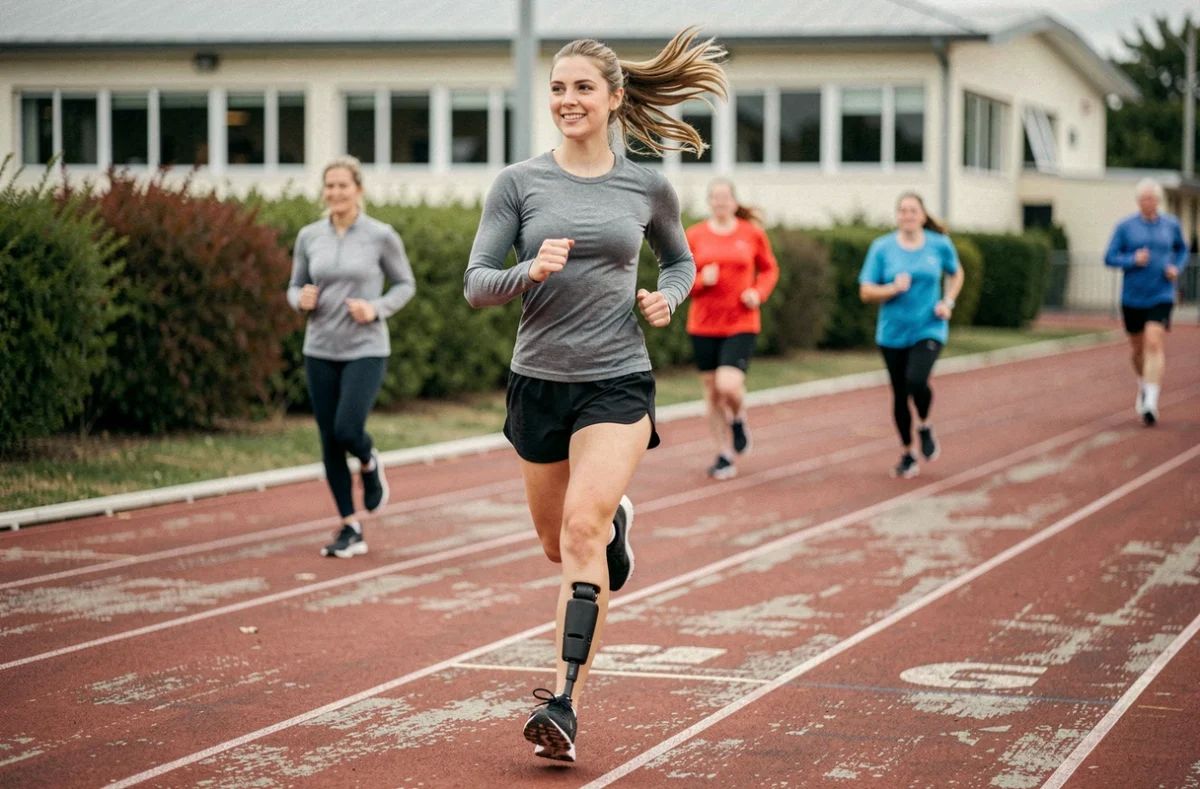
The inclusion of people with disabilities through sports is the subject of a program structured by the French Paralympic and Sports Committee (CPSF). An impact study conducted in 2025 as part of the “Inclusive Club” program produced a nuanced finding: clubs require ongoing support from their federation to sustainably welcome disabled participants.
This result highlights a gap between stated intentions and operational capacity. Training a sports educator to supervise a wheelchair user or someone with a cognitive disorder cannot be reduced to a single awareness day. Clubs wish to strengthen their skills in the long term, which requires recurring funding and regular federal support.
The July 2023 decree on medical-social establishments
Since the decree of July 17, 2023, medical-social establishments and services must integrate access to sports into their organization. This regulatory obligation concerns structures welcoming disabled individuals or dependent elderly people.
However, feedback from the field diverges on the effective implementation of this measure. Having a regulatory text does not resolve the issues of suitable equipment or the training of supervising staff. The CPSF has also published a guide aimed at making sporting events more accessible, indicating that the need for practical resources remains high.
Family budgets and sports dropout among children
Solidarity sports also target a less visible audience: families for whom the cost of sports participation is a direct barrier. Family budgets are under pressure according to several analyses reported in 2026, and this financial strain translates into trade-off choices where sports take a back seat to other expenses.
Sports dropout among children during the year affects a significant portion of registered youth. The causes are multiple:
- The cumulative cost of the license, equipment, and travel, which often exceeds what families anticipated at the start of the school year
- The lack of clearly identified local support mechanisms, despite the existence of guides on sports equipment assistance at the regional and European levels
- The mismatch between training schedules and parents’ work constraints, which disproportionately affects single-parent or low-income families
Solidarity sports associations attempt to fill these gaps by offering free or symbolic fee practices. The question remains whether these initiatives truly reach the most distant audiences from institutional sports offerings.
Evaluation of solidarity sports: measuring impact beyond the field
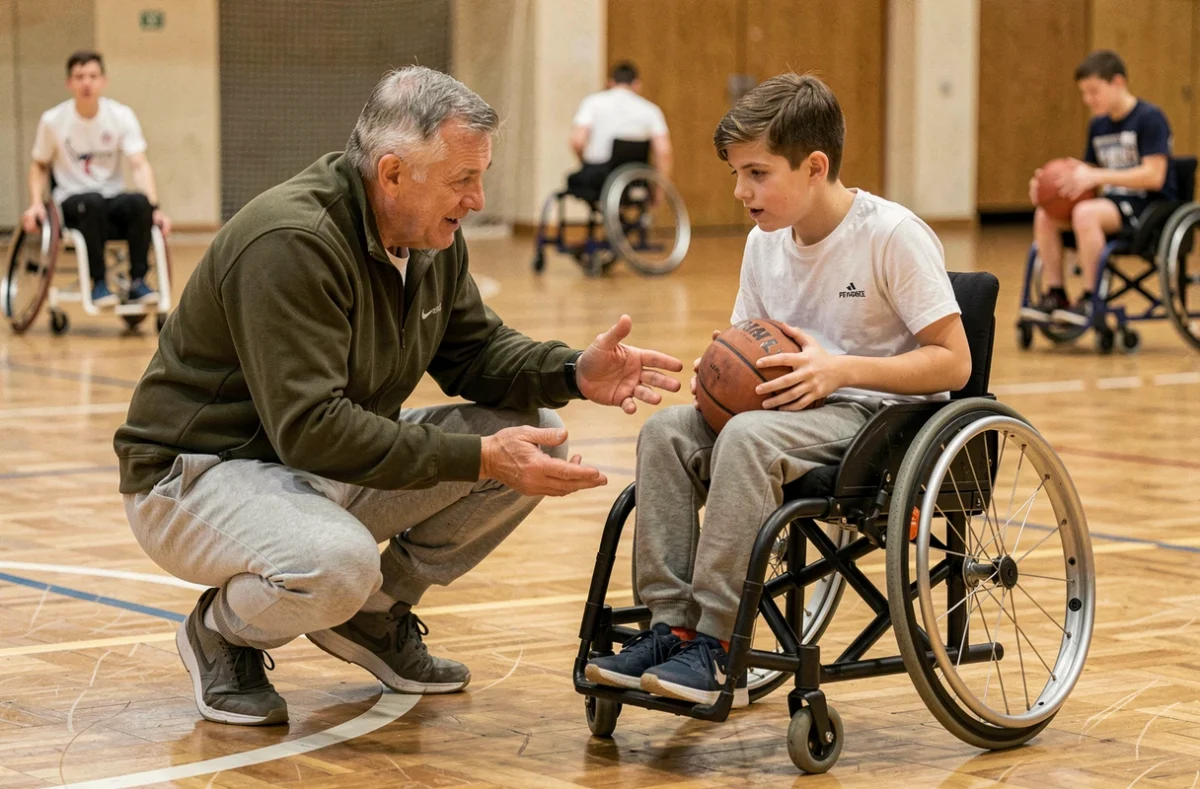
One of the structural weaknesses of the sector concerns the measurement of results. The available data do not always allow for conclusions about the real impact of a solidarity sports program in terms of professional integration or reducing recidivism among youth monitored by the justice system.
Evaluation remains the weak link in most socio-sport projects. Classic indicators (number of participants, attendance rates) do not provide information on lasting effects. Has a young person who participates in a program for six months improved their social skills, resumed training, or found a job?
The 2026 ministerial call for projects explicitly includes evaluation as a mandatory component. This is a positive signal, but the methodology remains to be developed for many local actors who lack the tools and resources to conduct longitudinal follow-up of their beneficiaries.
What federations and local authorities can contribute
Sports federations have networks of clubs covering the entire territory. Local authorities, for their part, manage facilities and local policies. The convergence of these two levers could structure a more coherent offer of solidarity sports:
- Multi-year agreements between clubs and municipal social services, with measurable objectives
- A common competency framework for socio-sport supervisors, beyond the simple state diploma
- Shared evaluation tools, allowing for comparison of results between territories and disciplines
Solidarity sports do not produce mechanical effects on inclusion. Their effectiveness depends on the quality of support, the duration of programs, and the ability of actors to work together beyond institutional logics. Recent regulatory frameworks and calls for projects set more demanding foundations, but scaling up remains conditioned by stable funding and a culture of evaluation that still needs to be largely built.