
Over the decades, British cinema has stood out for the remarkable presence of powerful women both in front of and behind the camera. These iconic figures have shaped the industry with their talent, determination, and unique vision. From bold directors to captivating actresses, they have charted inspiring paths, often breaking barriers and redefining gender roles in a field traditionally dominated by men. Their stories deserve to be highlighted, revealing not only their artistic contributions but also their influence on social and cultural movements within the UK and beyond.
Pioneers of British Cinema and Their Legacy
The early hours of British cinema were marked by women who dared to assert themselves in a nascent film universe. These pioneers paved the way for future generations, leaving behind a legacy all the more remarkable for having been built against the odds. Their journeys, often unknown or underestimated, form the foundations of a rich and complex history, where the struggle for better representation of women in the industry has always been prevalent. In this wake, Black British filmmakers such as Menelik Shabazz, Tunde Ikoli, and Julian Henriques have contributed to the portrayal of Black women as leading characters, thus depicting a more nuanced and profound image of female identities in their films.
The influence of Black-British cinema has asserted itself, with marginal representations gradually gaining ground. Themes of Black feminism and British identity have been explored, reflecting the tensions and dynamics of a society in transformation, particularly through events such as the Falklands War and racial riots. These works have subsequently played a decisive role in debates surrounding Brexit and racism, demonstrating cinema’s ability to influence and respond to sociopolitical issues.
The Caribbean culture, embodied among others by the energy of dancehall, has also found its place in Black-British cinema, contributing to the emergence of a hybrid cultural identity. Fiona Loudon, among other Black British female directors, has engaged in the fight for authentic and diverse representation, continuing the struggle initiated by her predecessors for equitable recognition of women in British cinema. These joint efforts have paved the way for new artistic and narrative expressions, where female voices from all backgrounds can now resonate with strength and clarity.
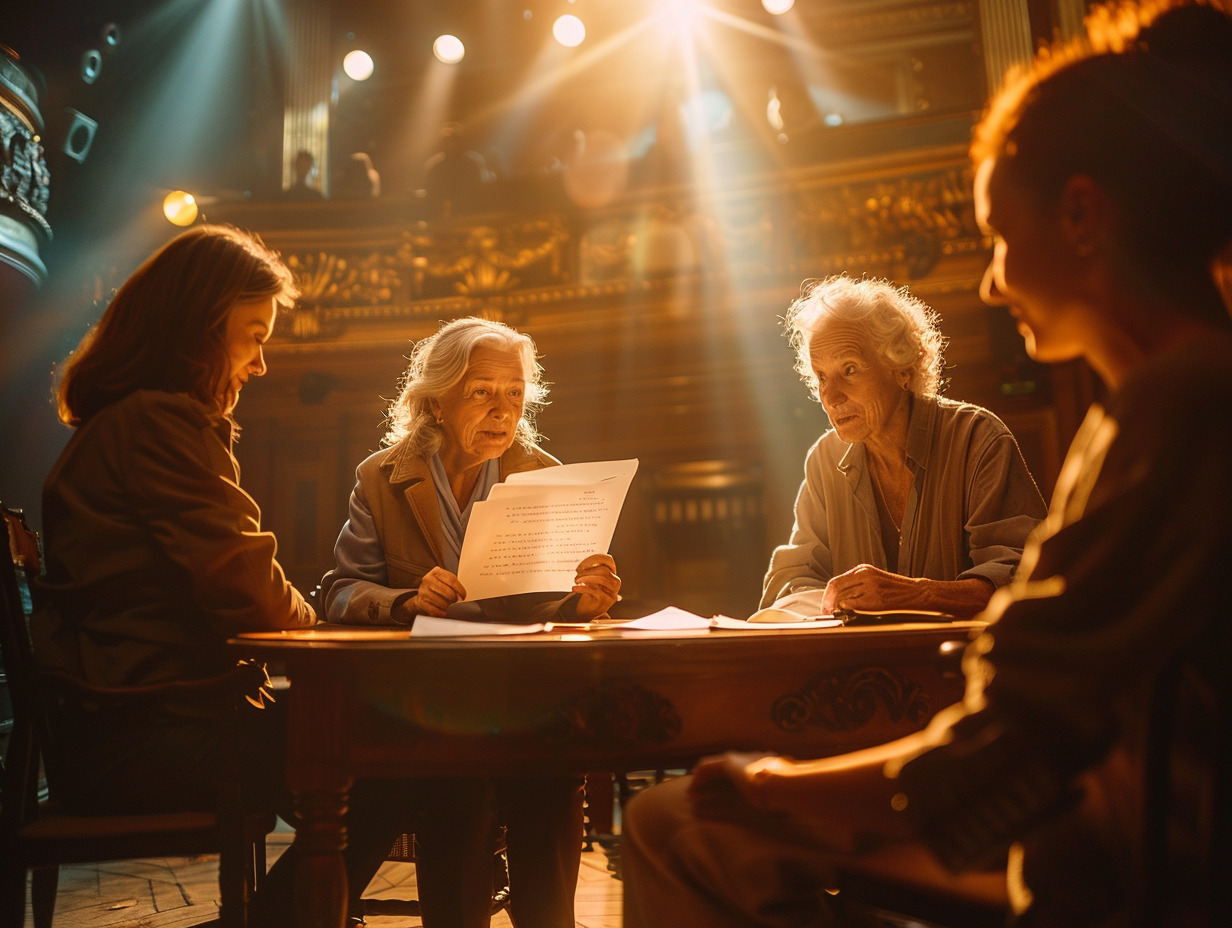
The New Female Voices in Contemporary British Cinema
The landscape of contemporary British cinema is distinguished by the emergence of new female voices that are redefining storytelling and representation on screen. These bold creators tackle the persistent critique regarding the representation of Black women in films, particularly in mainstream cinema. Their work marks a break from worn-out stereotypes and offers a multiplicity of perspectives that enrich the fabric of British cinematic narrative. Through their works, they engage in an open dialogue with the audience, questioning and reshaping current cultural and social perceptions.
The philosophy of bell hooks, an advocate for a feminist politics based on love and gender equality, resonates particularly in this wave of British films. These directors draw inspiration from hooks’ principles to weave stories that highlight the complexity of female experiences while advocating for a more inclusive cinematic space. Their work is a call for recognition of the nuances and inherent dignity of each female character, regardless of her race or background.
The treatment of immigration in Black-British cinema reveals another facet of these new female voices. The migration issue, often portrayed in a negative or reductive light, is approached with renewed sensitivity, offering narratives that illuminate the challenges and successes of immigrant communities. These films are not just works of art; they are vehicles of understanding and solidarity, bridges connecting the diverse human experiences that make up the multicultural fabric of contemporary UK.