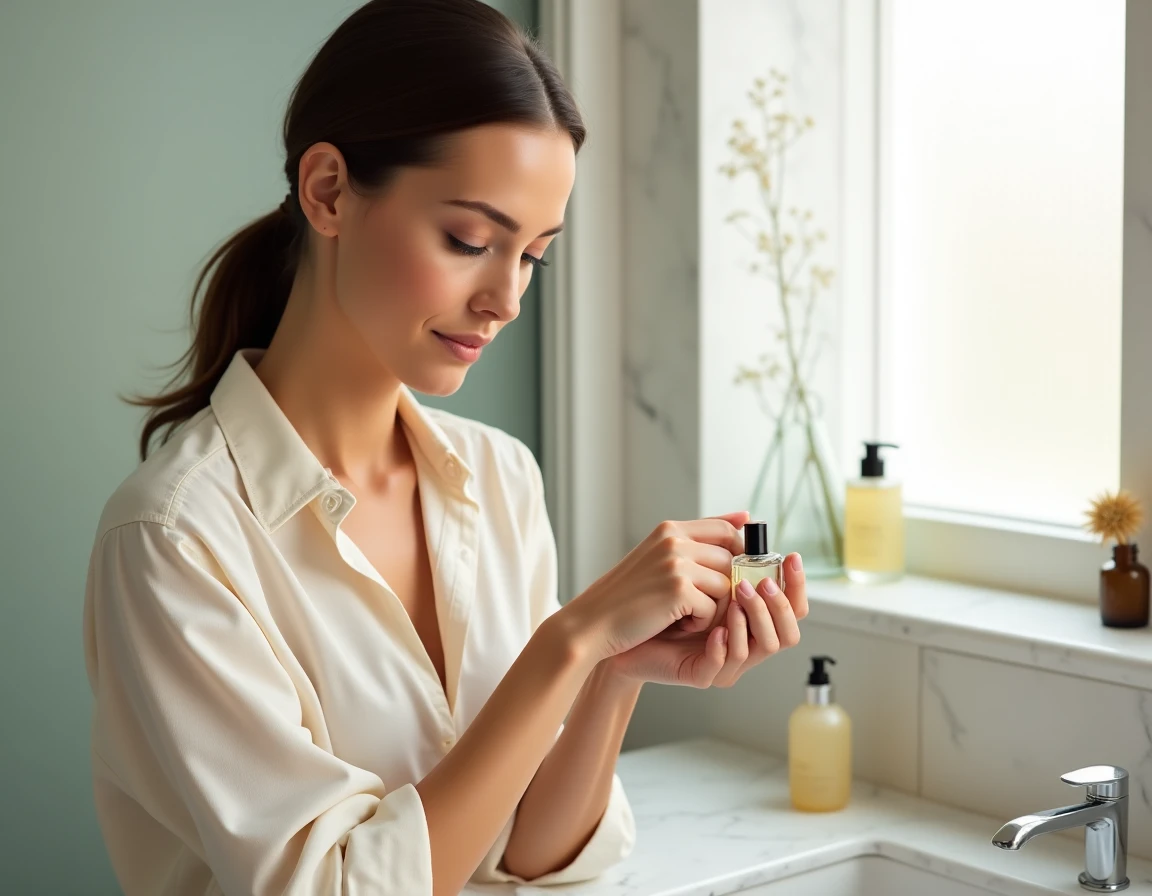
A spray on the neck after the shower, and ten minutes later: redness, tingling, sometimes a patch that itches until the evening. For sensitive skin, fragrance poses a real problem that goes beyond simple temporary discomfort. The skin reaction rarely comes from the fragrance itself, but from what accompanies it in the bottle, and from how it is applied.
Fragrance Allergens and Sensitive Skin: What the Label Doesn’t Say
Sensitive skin is often associated with allergies, but the mechanisms differ. Sensitive skin reacts with direct irritation: denatured alcohol, which is very present in classic eaux de toilette, dehydrates the stratum corneum and causes micro-inflammations. A contact allergy, on the other hand, involves the immune system and can appear after years of use without problems.
Several brands communicate the absence of the 26 allergens that must be declared in Europe. This mention is reassuring, but it does not guarantee the absence of skin reactions. Cases of contact eczema have been documented in dermatology with fragrances declared hypoallergenic, caused by other fragrance molecules not listed among these 26 substances.
The European Union has initiated an expansion of the list of fragrance substances that must be declared, as part of the revision of Regulation (EC) No. 1223/2009 on cosmetics. The SCCS (Scientific Committee on Consumer Safety) has recommended between 2021 and 2023 to better regulate several common synthetic molecules in perfumery.
For those looking to limit risks, reading the INCI list remains more reliable than relying on marketing claims. You can delve deeper into this topic by consulting the advice on fragrance for sensitive skin on Miss Marion, which details compositions suitable for reactive skin.
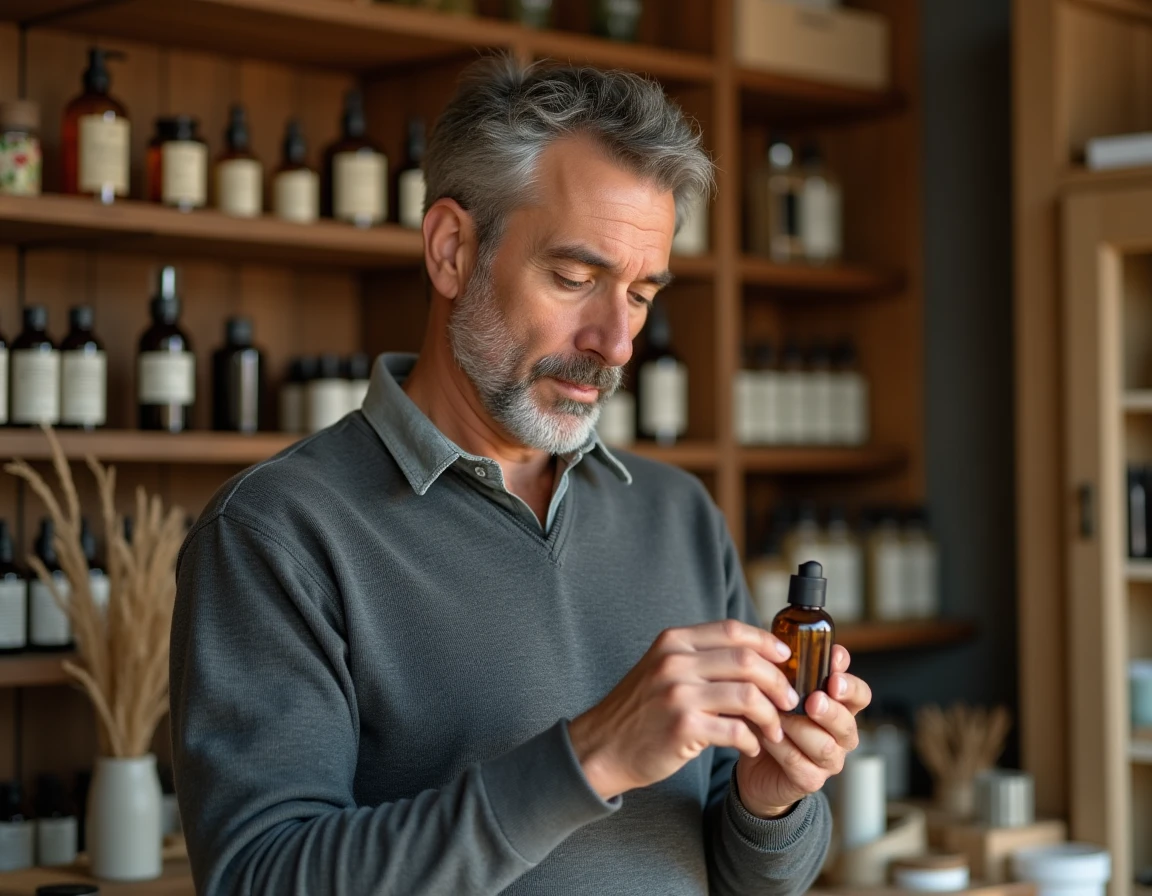
Alcohol-Free Perfume for Reactive Skin: Game-Changing Formats
Alcohol is the primary irritant in a classic perfume bottle. It serves as a solvent and allows for the rapid diffusion of scent notes, but it dries out the skin barrier. On already weakened skin, the effect is immediate.
Three formats deserve attention when trying to avoid this problem:
- Fragrant oils use a fatty base (often jojoba oil or fractionated coconut oil) as a carrier. They do not dry out the skin and often provide better longevity than eaux de toilette, as the fragrant molecules evaporate more slowly.
- Fragrance mists (or “scented sprays”) contain a significantly lower concentration of alcohol than parfum. Their trail remains discreet, which is suitable for environments where a too-present fragrance would be poorly perceived.
- Fragrant balms and creams are applied locally, to a specific area. The fatty base protects the skin from direct contact with the fragrant molecules and limits diffusion to the application points only.
Feedback varies on this point, but fragrant oils seem to be better tolerated than mists by very reactive skin, probably because the lipid film they leave acts as an additional barrier.
Application Areas and Practical Steps to Limit Irritations
Fragrance is often applied to the neck or wrists by reflex. On sensitive skin, these areas pose two problems: they are thin, highly vascularized (and therefore reactive), and exposed to the sun. The combination of fragrance and UV can cause sometimes lasting pigmentation spots, even with moderate exposure.
Spraying on Clothes or Hair
Spraying fragrance on a fabric (collar of a shirt, inside of a scarf) eliminates any contact with the skin. The scent trail remains perceptible, and the longevity on textile fibers often exceeds that obtained on the skin. Be careful with light fabrics: some colored formulas may leave marks.
Hair retains fragrances well due to its porous structure. There are hair mists formulated without alcohol, designed not to dry out the fiber. Spraying on the brush rather than directly on the hair allows for a more even distribution and avoids contact with the scalp.
Preparing the Skin Before Direct Application
If you want to apply fragrance directly to the skin, a layer of unscented balm or petroleum jelly on the targeted area creates a physical barrier between the epidermis and potentially irritating molecules. This simple gesture reduces direct contact and prolongs the fragrance’s longevity.
Applying fragrance just after the shower, on slightly damp skin that has been moisturized with a neutral body lotion, also improves tolerance. Dehydrated skin reacts more quickly and intensely to irritating substances.
Choosing Fragrance Notes When You Have Sensitive Skin
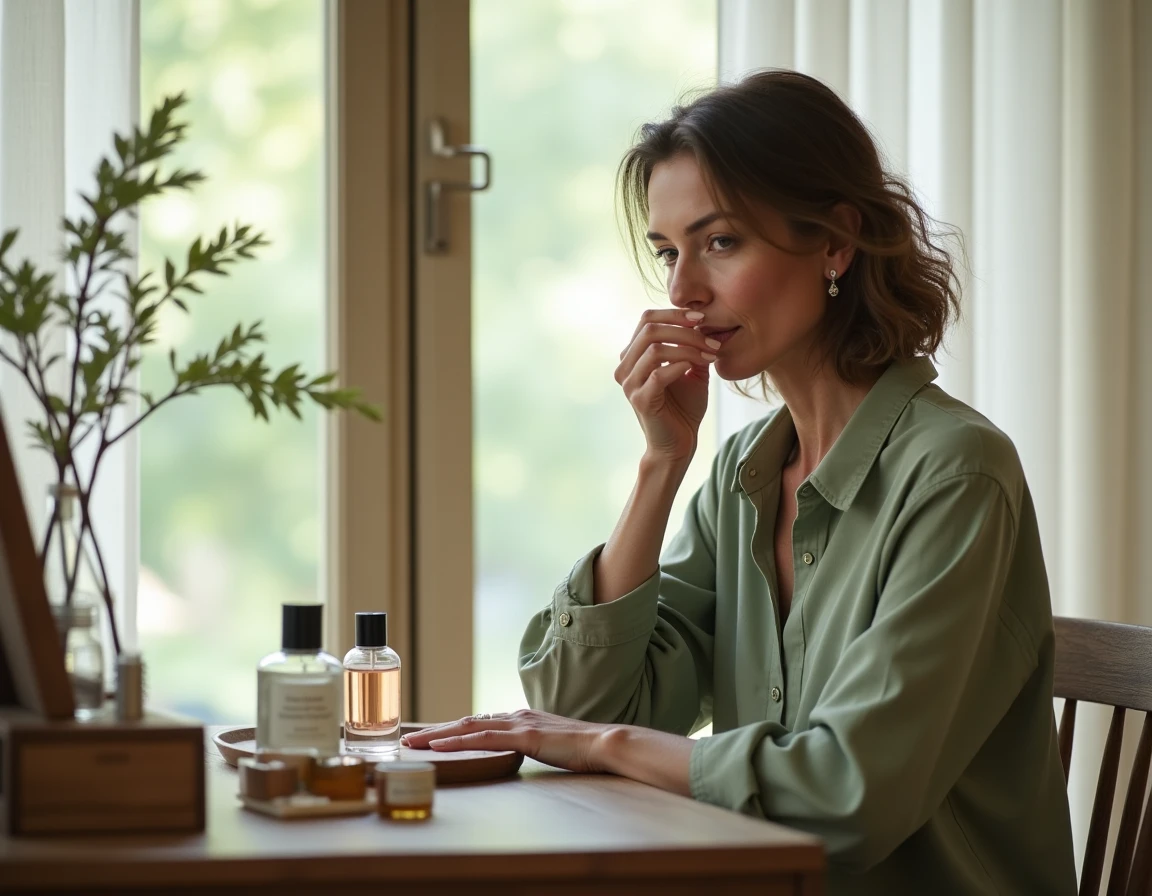
Not all fragrance families are equal in terms of skin tolerance. Compositions rich in synthetic musks, aldehydes, or certain woody molecules (like isoeugenol) are among those most frequently involved in contact reactions.
Scents based on vanilla, sweet almond, or simple floral notes (rose, cotton flower) tend to use less aggressive molecules. The mention “natural” does not automatically mean “risk-free”: citrus essential oils, for example, are photosensitizing.
The patch test remains the safest method before adopting a new fragrance. Apply a small amount to the inner elbow and wait 48 hours. No redness or itching after this period: the risk of reaction for daily wear decreases significantly.
The olfactory pleasure does not require sacrificing skin comfort. Choosing the format (oil, balm, light mist), moving the application to clothing or hair, and carefully reading the INCI list allows you to wear a fragrance without your skin reminding you of it with every spray.